Honor of Kings: World · In-house · Tencent TiMi · Game interaction design
Combat and cross-platform interaction for a large-scale game
Interaction design for the battle HUD, several gameplay systems and input across mobile, PC and console.

- In-house · Tencent TiMi Studio
- Game Interaction Designer · Nov 2021 – May 2025
- Large-scale open-world ARPG
- Mobile / PC / Console
This page uses only official key art and publicly available gameplay footage. Under NDA, internal design files and process work are not shown. All game art shown is official work, not mine.
01
Goal and my role
An open-world action RPG built on the Honor of Kings IP. Games are among the most interaction-dense products there are: countless states, dense information, fast inputs. My job was to turn sprawling gameplay logic into interfaces and flows players grasp intuitively and operate without thinking. Over three and a half years as a game interaction designer I owned three layers: real-time interaction in the battle HUD, interaction design for several gameplay systems, and input design across mobile, PC and console. From taking on requirements to leading core modules and driving cross-team alignment.
02
Decision one: budget the player's attention
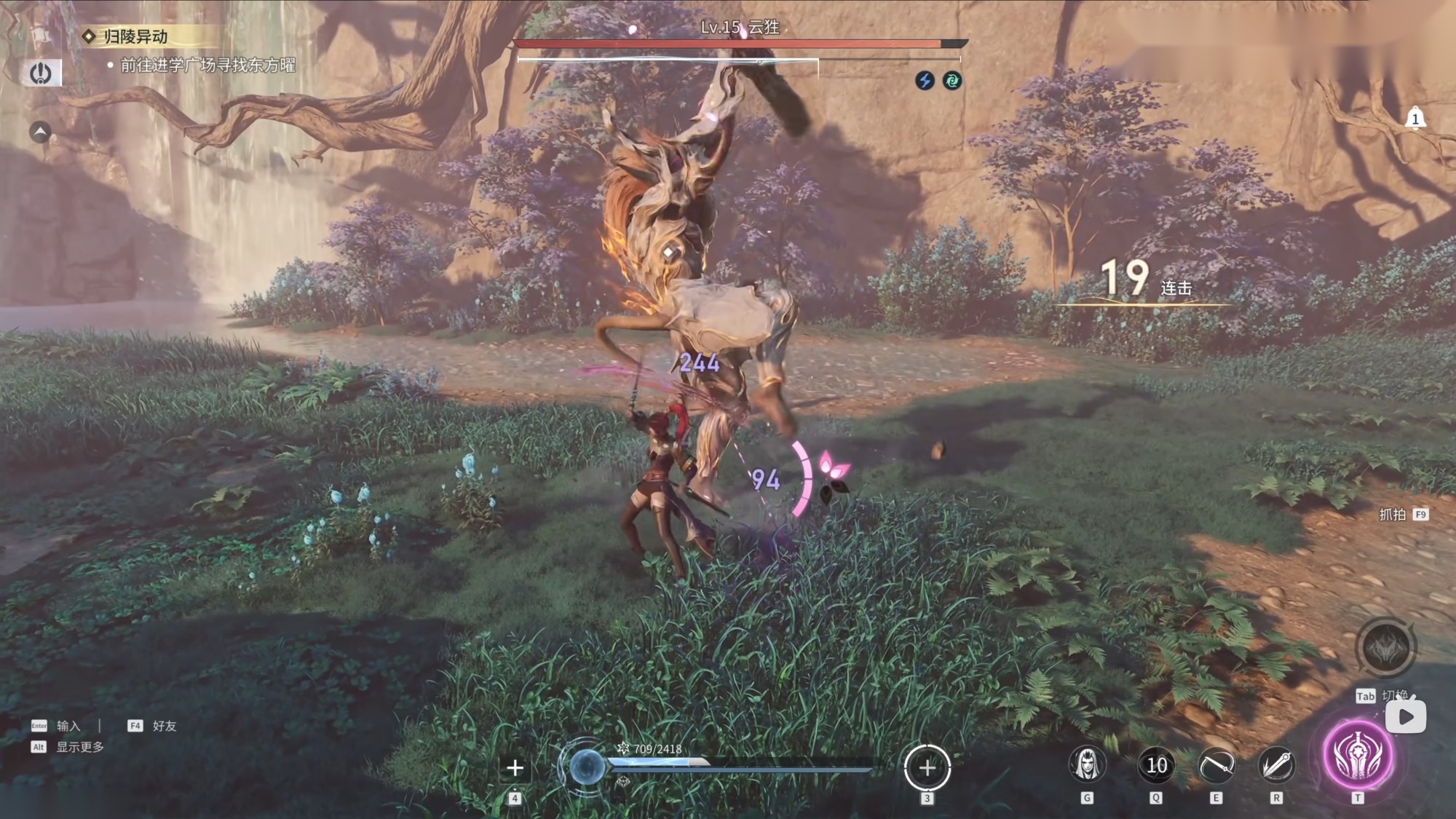
The battle HUD is the harshest environment: the player's attention is on the enemy, and the interface can only be read with peripheral vision. I owned the interaction of health bars, the skill wheel and combat status: what stays persistent, what appears on events, what demands a hard interrupt. Every pixel has to answer "does the player need this right now?" Damage numbers were a module I owned end to end: readable under rapid-fire spam, damage types distinguishable at a glance, every hit still confirmed. The balance was tuned frame by frame.
03
Decision two: translate complex systems into clear paths
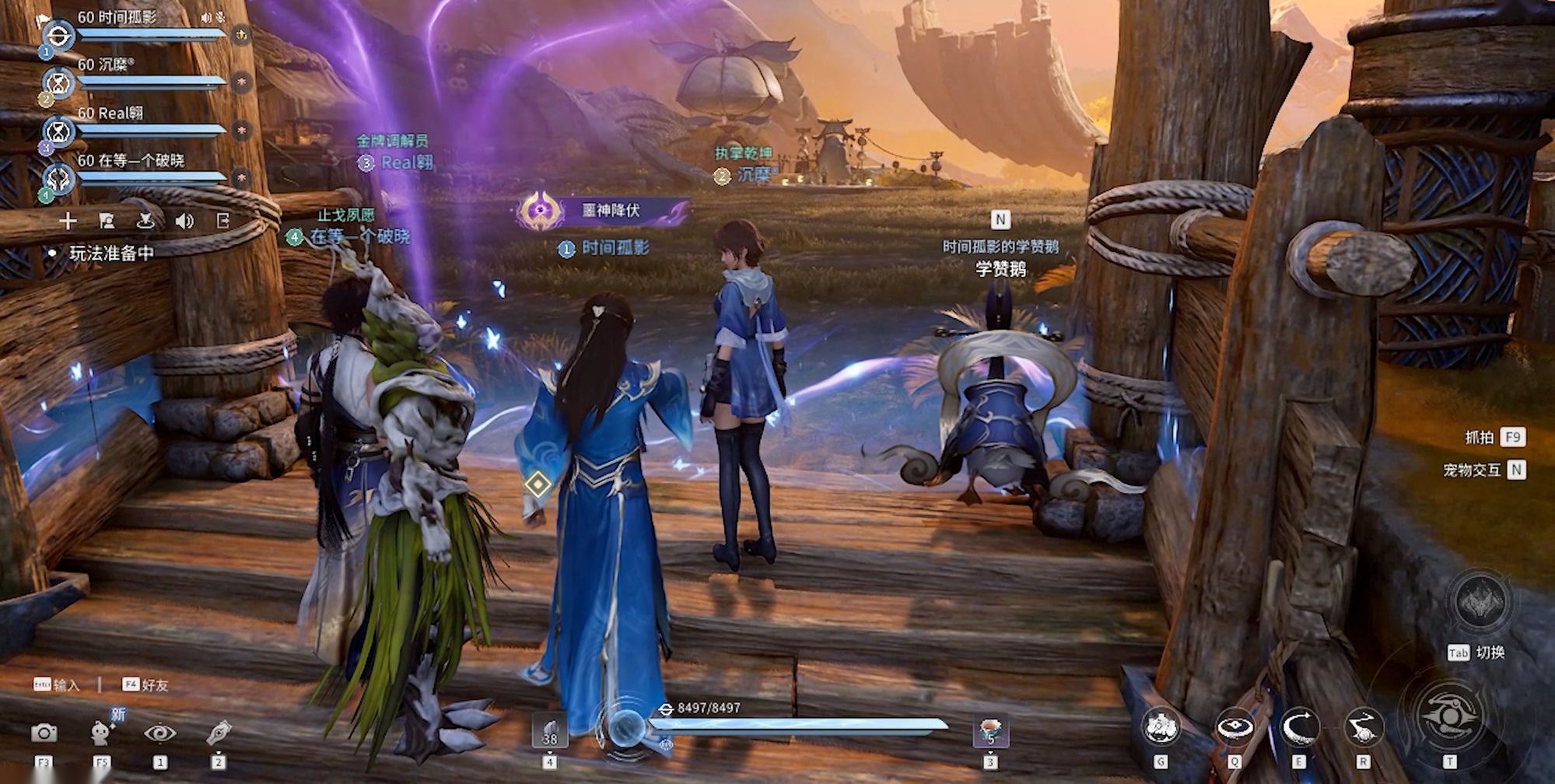
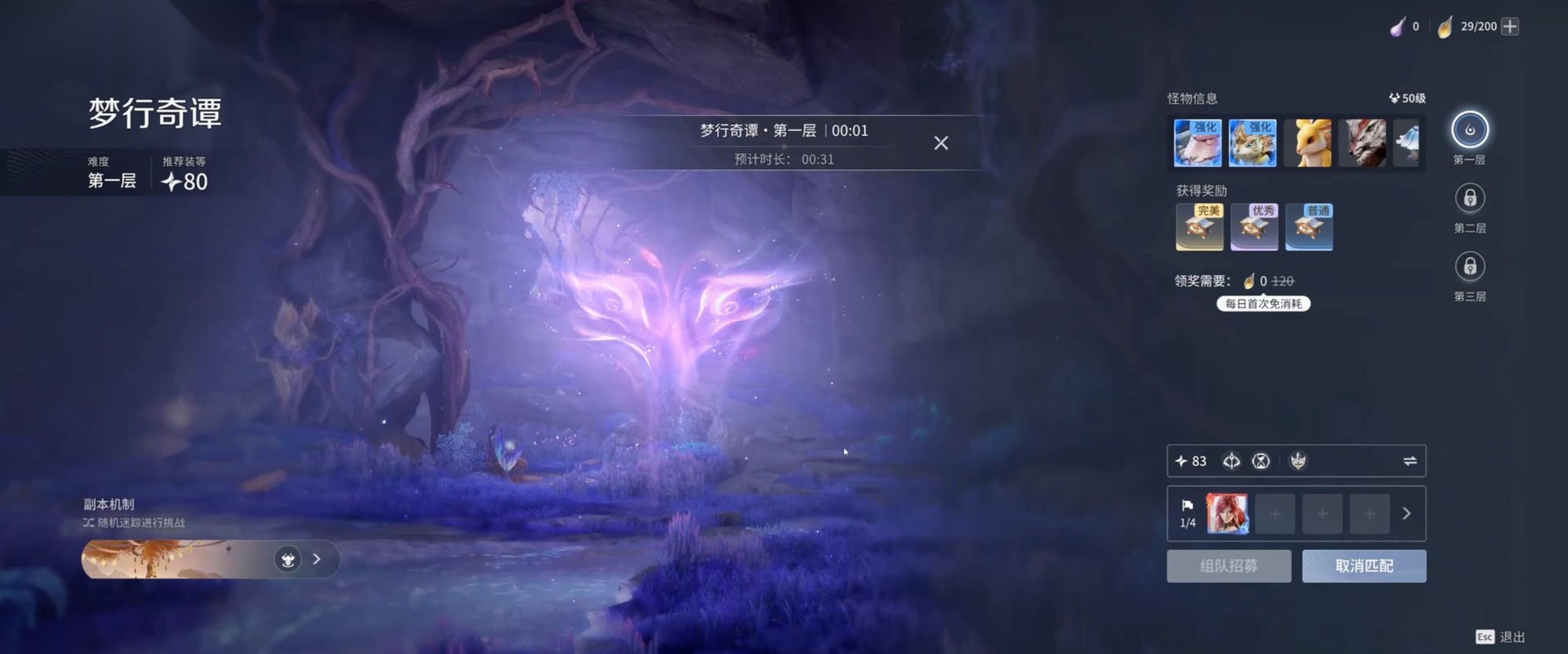
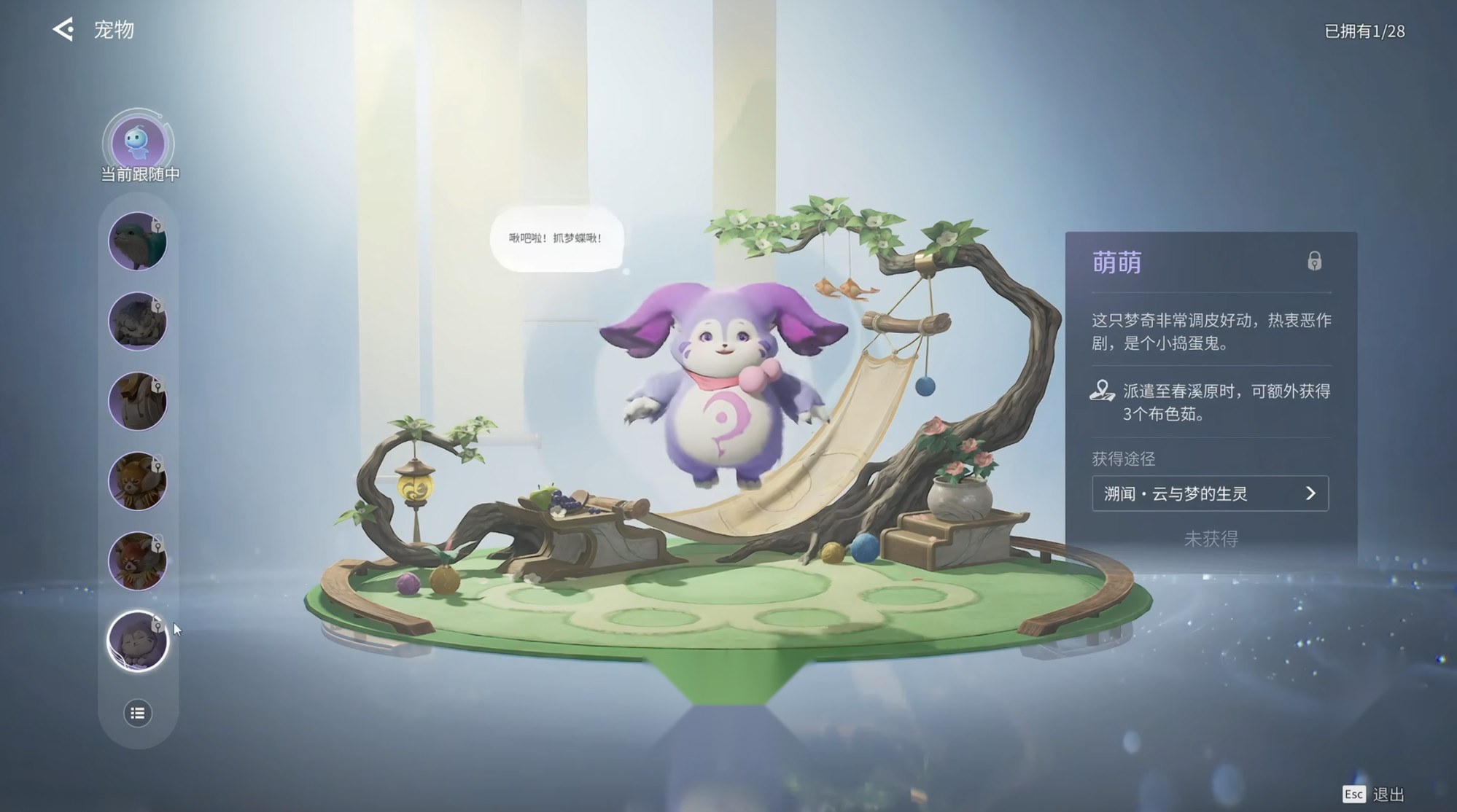
Dungeons, the map, housing, pets, achievements, fishing: every system followed the same loop. Absorb the rules and numeric logic, map the information architecture and core paths, design the flows and interface framework, exhaust states and edge cases, then deliver the spec and drive it to ship. That method does not belong to games. It belongs to any complex product.
04
Decision three: re-derive input for each platform
The same battle might be played by touch, keyboard and mouse, or gamepad. I owned the skill wheel layout and gestures on mobile, key bindings on PC, and button mapping and combinations on the controller. The three differ completely in precision, speed and muscle memory, so nothing was designed once and scaled; each platform was re-derived from the gameplay logic.
05
Visible result
The gameplay footage above is publicly available and shows how these systems appear in the game. Under NDA, internal design files and process work are not shown here; the exact scope and way of working can be discussed in conversation.
Want something similar?
Send the goal, the expected deliverable and references, and I will reply with a scope note.